A compassionate, practical publicationThree essays · Sources checked October 16, 2026
Why We Eat

Understand your eating patterns and practice responding differently

Essay ·

“I already ruined today.”

One unplanned snack rarely does the damage. The verdict that follows often does.

Relapse research calls it the abstinence-violation effect: blaming a lapse on a fixed personal failing makes giving up more likely. The useful response is ordinary. Eat your next usual meal, don’t compensate, and treat the lapse as information.

Read the essay
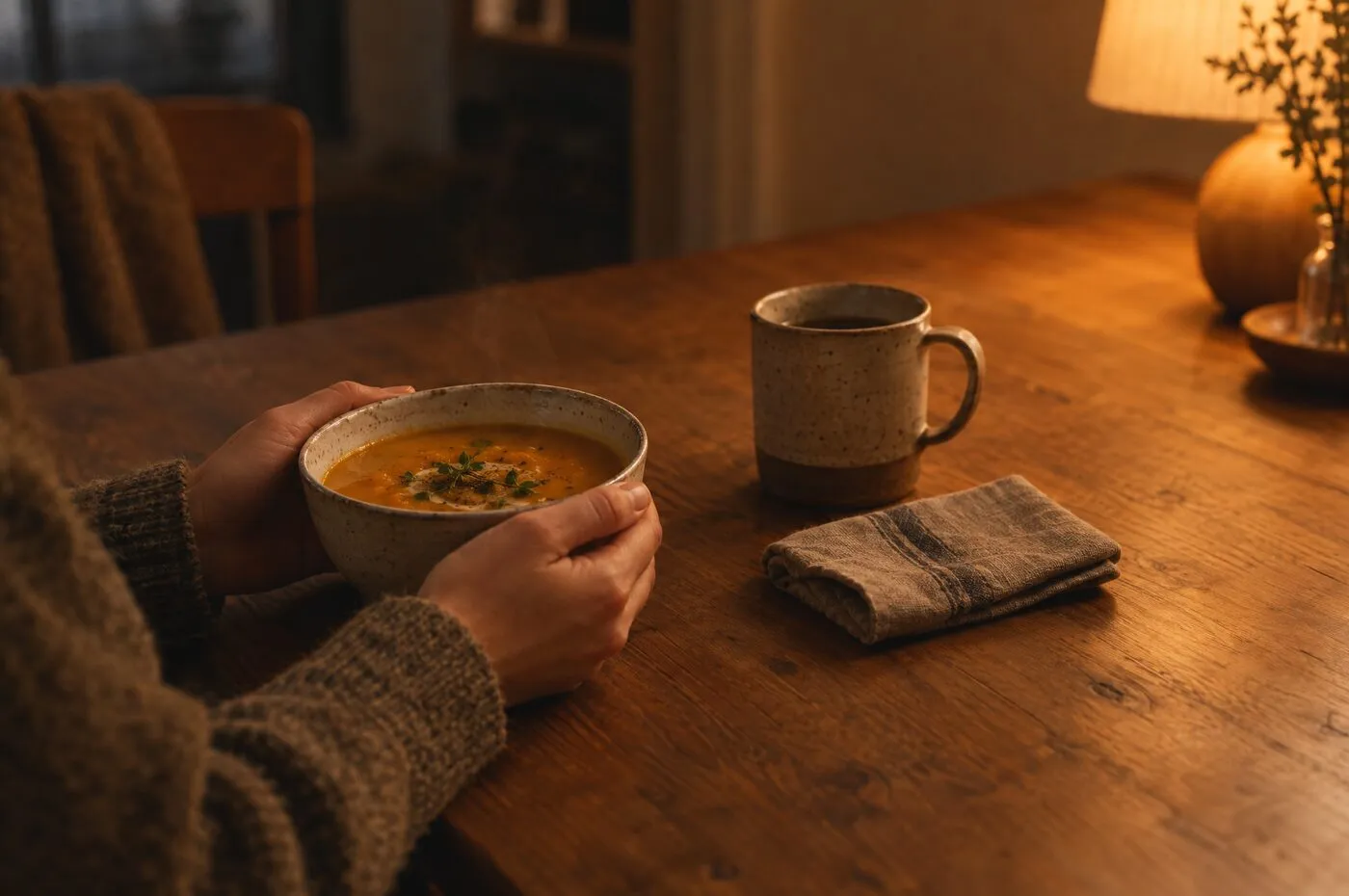
Two hands around a bowl of soup on a wooden table in warm evening lamplight
Let one moment stay one moment.

In this issue

All articles
food rules · flexible thinking · REBT

The Difference Between a Preference and a Rigid Food Rule

Some food habits make life easier. Others leave no room for a birthday, a busy day or a change of plan.

Rigid food rules vs preferences: how to tell them apart, what research on rigid and flexible eating control shows, and how to soften one rule safely.

emotional eating · stress · evening routines

When Food Is Your Main Way to Unwind

Why evening eating does so much work, and how to give it some help without banning anything.

Eating to unwind after work is common and makes sense. What research on stress, mood and eating shows, plus a worked example and a small practice.

How each piece is written

Every essay walks the same quiet path.

It opens with the short answer, so you don’t have to read to the end to find it. It lists every source and the date those sources were last checked. And the practice near the end is always optional.

  1. The situation. A familiar moment, described plainly.
  2. What you might notice and tell yourself. Thoughts, feelings, actions.
  3. Why this makes sense. What the research shows, including its limits.
  4. Questions to examine it. For you to answer in your own words.
  5. A worked example. The same ideas applied to one person’s day.
  6. A small optional practice. Something to try, or not.

Questions worth sitting with, from the essays

Is “must” accurate, or would “I’d prefer” be more honest?

From The Difference Between a Preference and a Rigid Food Rule

What am I actually looking for in that moment: rest, comfort, pleasure, company, a boundary between work and home, a reward?

From When Food Is Your Main Way to Unwind

Is a day really a single unit that can be ruined?

From “I Already Ruined Today”: Examining the Thought That Keeps a Setback Going

Educational content, not treatment

If eating often feels out of control, comes with intense shame, or a food rule is tied to fear of weight gain or keeps you from social meals, that is a reason to talk to a professional, not a failure. Every essay lists eating disorder helplines for the UK, Australia and Canada, and the 988 crisis line in the US.